
When was the last time you attended an event and thought about its impact beyond the room you were in?
We often focus on the programme's creativity, the venue, or the people's energy, but behind every event, there's also a footprint. From international travel to catering choices, events naturally consume resources.
That's why sustainability in events has moved from an optional "add-on" to a central part of planning, especially in Europe, where businesses are under increasing pressure to meet CSR goals and align with EU climate targets, and event organisers are expected to play their part.
The good news? Sustainable choices don't have to be complicated or compromise the experience. In fact, when approached thoughtfully, they can make your event more meaningful, more responsible, and more in tune with modern expectations.
At TERRAEVENTS, with our local expertise across Europe, we know the suppliers, venues, and partners who are genuinely committed to sustainable practices. Visit our sustainability section for more information on our commitment to hosting sustainable events.
The Rising Imperative of Sustainability in Events
Sustainability has moved far beyond trend status. It’s now the measure of whether an event truly stands the test of modern expectations. Event planners are now under considerable pressure from stakeholders, clients, and local regulations to show environmental responsibility.
Recent reports from within the industry confirm this shift. According to Isla's European Temperature Check 2025, analysis of nearly 1,000 events found that the majority of emissions still come from material use, freight, and production. These are areas where planners have significant influence, and where informed decisions on sourcing, transportation, and energy can lead to meaningful change.
Similarly, event: decision's first-half 2025 ESG review shows a rising number of events now being independently measured for their sustainability performance. This isn’t just about cutting waste or offsetting travel; it’s about embedding ethical governance, inclusivity, and social impact into event strategy from the outset.
For event professionals, this marks a clear turning point: sustainability isn’t an afterthought or a line in a proposal; it’s a defining standard of excellence. Therefore, by partnering with destination experts like TERRAEVENTS, organisers can ensure their events are not only compliant with evolving standards but are also designed to leave a positive, lasting legacy.
Now, let’s explore some of TERRAEVENTS’ top tips for planning sustainable events that make an impact.
Top Tips for Planning Sustainable Events in Europe
1. Prioritise Sustainable Venues and Suppliers
Venue choice can shape the entire sustainability profile of an event. Across Europe, convention centres, hotels, and unique venues are increasingly securing certifications such as ISO 20121 and Green Key. These frameworks provide verified data for post-event reporting and help eliminate uncertainty around claims.
The challenge for event planners lies in distinguishing genuine commitment from greenwashing. That's where local knowledge makes the difference. TERRAEVENTS has longstanding relationships with venues and suppliers across Europe, ensuring partners hold certifications and demonstrate meaningful progress in reducing energy use, water consumption, and waste.
2. Rethink Travel and Transport
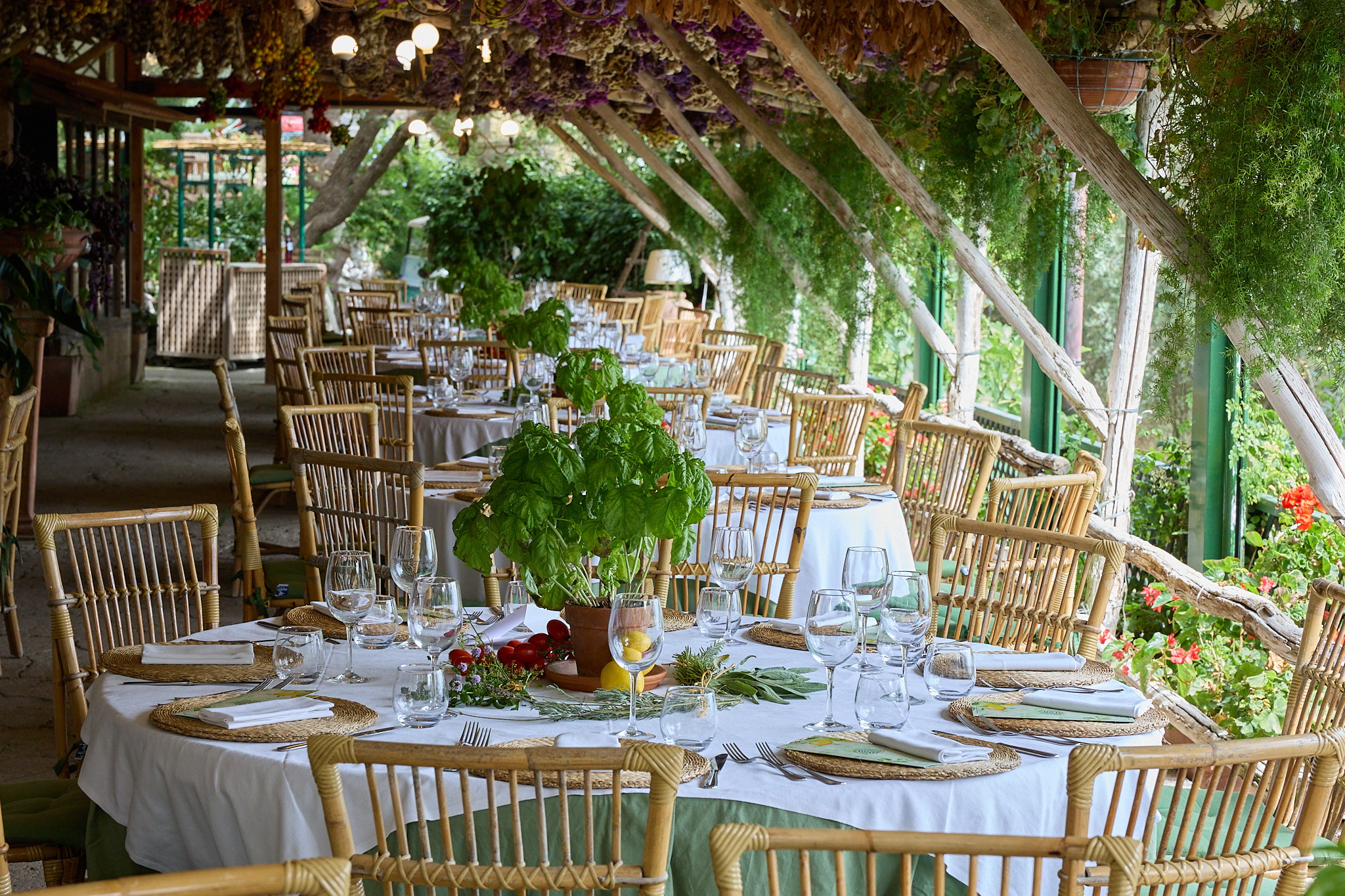
When it comes to sustainability, travel is often the elephant in the room. It’s the single largest source of event-related emissions, yet it’s also where innovation is moving fastest. Forward-thinking organisers are no longer just asking how people get to the event, but how travel choices can shape the event’s legacy.
For regional audiences, that might mean flipping the default from “fly” to “rail,” designing programmes that reward slower, smarter journeys, and choosing venues that connect seamlessly to public transport. For international gatherings, proximity matters; therefore, selecting host cities with strong intermodal links can significantly reduce transfers, congestion, and carbon emissions.
And when flights are inevitable? The conversation is shifting from offsetting to accountability. Many event organisers are now experimenting with carbon budgeting frameworks that place travel emissions on the balance sheet from day one, driving more transparent decisions on everything from delegate logistics to speaker selection.
In short, sustainable transport planning isn’t just about moving people efficiently. It’s about aligning every mile travelled with purpose, creativity, and measurable impact.

3. When Sustainability Meets Flavour
If sustainability had a taste, it would be fresh, local, and full of character.
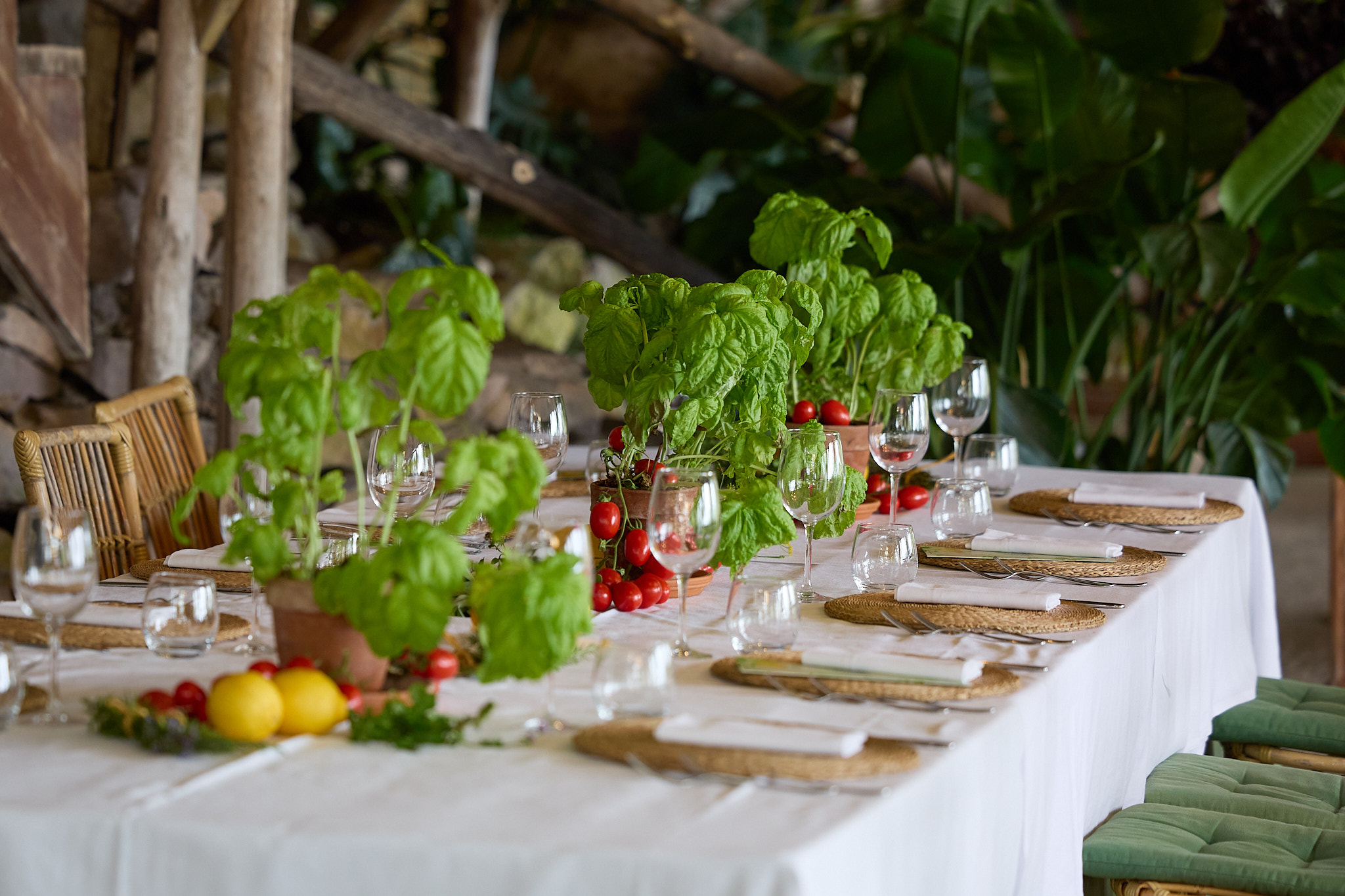
Catering is where values meet the senses and where event sustainability becomes something guests can actually experience.
Across Europe and beyond, chefs are embracing a new culinary language rooted in seasonality and regional pride: think organic seafood freshly landed on the Portuguese coast, farm-to-table produce from Tuscany’s rolling hills, or artisanal French cheeses sourced within kilometres of a venue. These choices don’t just cut food miles, they tell the story of the destination with every bite.
Plant-forward dining, once a niche option, has become the new standard for many high-end event caterers. Leading hotels and venues are curating plant-based menus that rival any gourmet spread: from vibrant Mediterranean mezze to rich mushroom risottos and inventive desserts that surprise even the most devoted carnivores. The result? Lower emissions, lighter logistics, and a dining experience that feels both responsible and refined.
Sustainability also extends beyond the plate. Single-use plastics are disappearing from service, and surplus food is finding its way to local charities rather than landfills. Forward-thinking organisers now bake these commitments into contracts, ensuring that creativity and conscience coexist beautifully.
TERRAEVENTS collaborates with catering partners who share this philosophy, turning every meal into an opportunity to celebrate culture, community, and conscious choice.
4. Minimise Waste at Source
The best waste strategy doesn’t start at the recycling bin. It starts at the design table. True sustainability means asking not how do we dispose of this? but do we need it in the first place?
Forward-thinking planners are reimagining event materials entirely, replacing throwaway décor with modular designs that can be reconfigured, stored, and reused; sourcing signage that can be refreshed, not remade; and working with suppliers who offer “take-back” programmes that give materials a second life.
Catering, too, benefits from a right-sized approach: smart ordering based on delegate data and flexible menus that adapt in real time help prevent waste before it happens.
The same goes for delegate experiences: reusable lanyards, refillable water stations, and digital ticketing have quietly become hallmarks of responsible event design.
For large-scale events, these small choices add up fast. Every avoided banner, badge, and bottle tells a bigger story — one of efficiency, care, and innovation.
5. Smarter Materials and Production
Beautiful event design and sustainability aren’t opposites; they’re partners in creativity. The industry’s most exciting innovations are proving that impact doesn’t have to come at the cost of the planet.
Take TERRAEVENTS’ Incentive Trip on the Southern Sardinian Coastline: delegates built miniature ocean-ready boats using biodegradable materials; a playful, hands-on experience that left no trace on the environment. It’s a perfect example of how design can inspire connection and responsibility at the same time.
Across the sector, sustainable production has evolved far beyond token gestures. Modular staging systems, recyclable signage, and responsibly sourced materials now give planners the freedom to build extraordinary spaces with a lighter footprint. Many organisers are also embracing digital-first design, replacing print-heavy delegate packs with sleek event apps and QR-based tools that keep everything accessible and paper-free.
Behind the scenes, certified suppliers are leading the way with energy-efficient AV equipment and innovative production techniques that blend technology with accountability. And TERRAEVENTS works closely with partners who share this philosophy, ensuring that every creative decision adds value, not waste.
6. Integrate Local Communities
A truly sustainable event also considers its social footprint. By integrating local communities, organisers can leave a lasting positive legacy beyond the event itself. This might involve sourcing gifts from local artisans, hiring regional entertainers, or engaging social enterprises as suppliers.
In our 'Unforgettable Corporate Event at Castillo de Viñuelas,' TERRAEVENTS worked with local suppliers to create a fabulous evening. From authentic flamenco dancers and elegant horses, to costumes, floral arrangements, lighting and dining, the event was infused with the essence of Madrid. This meant that TERRAEVENTS could deliver an incredible guest experience while paying tribute to the local community.
With TERRAEVENTS' local expertise across France, Italy, Portugal, and Spain, we are able to integrate initiatives to support local communities into programmes without losing sight of the client's objectives.
)
Final Thoughts: Build Sustainability into Your Event from Day One
The most powerful sustainability strategy doesn’t come at the end of planning...it begins at the very first idea.
Too often, sustainability is added as a finishing touch: a recycled badge here, a carbon offset there. But by that stage, the biggest opportunities for real impact have already slipped away. True change happens when sustainability isn’t an add-on — it’s a foundation.
Make it part of every conversation from day one: build it into your RFPs, ask for supplier accountability up front, and use carbon-calculation tools to test decisions before they’re made. Whether it’s choosing a venue, designing menus, or mapping travel logistics, data-backed insight will turn good intentions into measurable results.
With TERRAEVENTS’ local knowledge and network of responsible partners, sustainability becomes second nature - a seamless part of the creative process, not a constraint.
Because the best events don’t just impress. They leave a legacy worth repeating.
Contact TERRAEVENTS today, and let's start taking greener steps with your events.
