
France is one of the most visited countries on earth. It welcomes over 100 million international tourists a year. And yet, for corporate event planners, a curious pattern repeats itself: the brief says France, the budget proposal normally says Paris, and the imagination stops at the Eiffel Tower.
We understand the reflex. Paris is magnetic, logistically mature, and easy to sell to stakeholders. But France has 13 distinct regions, a TGV train network that rivals any in Europe, a coastline that shifts from the English Channel to the Mediterranean, and a cultural depth that makes every city feel like a world apart. “To plan only in Paris is to read only the first chapter of an extraordinary book”, said Heidi Feveyear, Country Director at TERRAEVENTS France.
This guide is for event planners, HR leaders and executive assistants who want to think beyond the obvious — about budget, about experience, and about what a specialist DMC with deep French expertise can deliver that no online platform or in-house team can replicate. We’ll challenge assumptions, share insider venues, and make the case that France’s best corporate event experiences are often its least famous.
Enjoy the read!
Menu
1. The Value Question: Is France Actually Expensive
2. France by Rail: The Planner's Competitive Advantage
3. The Split Destination Program
4. Paris Reimagined: The Unconventional Venues Most Planners Miss
5. Beyond Paris: Destinations that Reward the Adventurous Brief
6. What a DMC in France Actually Does: Beyond the Venue Search
7. Sustainability and Responsible Travel: France Has Real Advantages
8. Planning France with TERRAEVENTS
The Value Question: Is France Actually Expensive?
Let’s start with this simple but very common question: Is France really that expensive?
This is the most persistent myth in European corporate travel, and it is worth dismantling directly. A week in Paris during a major trade fair, staying at a palace hotel, with private museum access and Michelin-starred dinners every night, is expensive. But that is not France. That is one version of one city at peak demand.
France outside that template can offer genuinely strong value. Hotel infrastructure is excellent across the country, the gastronomy is world-class at every price point, and the transport network means you are never far from remarkable. The destinations below consistently deliver premium experiences at budgets that would not get you a mid-range Paris package.
Better-Value Corporate Event Destinations in France:
-
Lyon
Consistently ranked France's second city for international association meetings by ICCA (International Congress and Convention Association), a position it has held for five consecutive years. Lyon has the second-largest hotel capacity in France after Paris and more than 250 dedicated meeting spaces. It is a UNESCO World Heritage city, home to 14 Michelin-starred chefs, and in our experience, places groups at meaningfully lower cost than equivalent Paris programs. An outstanding choice for conferences and international events that demand strong social programming.
-
Marseille & Aix-en-Provence
France's second-largest city and the Mediterranean's oldest, with a culinary scene rooted in genuine Provençal tradition. The hotel stock has improved dramatically over the past decade. Spring and autumn are the optimal seasons for corporate groups; the light is extraordinary, logistics are manageable, and rates are at their most competitive. July and August should be avoided for incentive and conference work.
-
Loire Valley
Reachable from Paris in just over an hour by TGV, the Loire Valley offers a concentration of UNESCO-listed châteaux, private estate venues, and some of France's most distinctive wines. Mid-week and outside the summer peak, group rates here represent some of the best value in French corporate event planning.
-
Normandy
Located in northwestern France, this is one of the country's most historically resonant and logistically straightforward destinations for corporate groups. Road and rail access from Paris is excellent (approximately 2 hours), the regional hotel stock is solid, and the destination carries a weight of meaning — particularly for incentive programs designed around leadership, legacy or values themes — that few other European destinations can match.
-
Côte d'Azur
The French Riviera has three clearly defined seasons: high season June–September, shoulder season March–May and October, and low season November–February. In low season, the same five-star venues that are inaccessible or prohibitively expensive in summer become genuinely available, with real negotiating room on rates. Nice and Cannes both enjoy mild winter weather by Northern European standards, typically above 13°C, and the destination retains all its infrastructure and prestige.
-
Nantes & the Loire-Atlantique coast
An emerging destination with a strong creative and cultural identity, direct air connections from across Europe, and TGV access from Paris (approximately 2 hours). In our experience, Nantes consistently surprises groups who expect a provincial city and find a confident, design-led destination with excellent event infrastructure.
-
Montpellier
One of France's fastest-growing cities, with a young population, strong university and tech sector presence, and a Mediterranean character distinct from the Riviera. Underused for corporate events relative to its infrastructure, which works in the planner's favour on both availability and rate.
-
Lille
Located in Northern France, approximately 1 hour and 20 minutes from London St Pancras by Eurostar, and under 1 hour from Brussels. Lille is a genuine city, with Flemish-influenced architecture, an excellent restaurant scene, and a hotel market that remains competitive relative to other northern European capitals.
For more destinations and information, go to the section “Beyond Paris: Destinations That Reward the Adventurous Brief”
A DMC’s role here goes beyond knowing which destinations are good value – it’s about knowing which suppliers in those destinations deliver consistently, which dates to avoid, and how to structure a program that feels premium without the premium price tag.
That intelligence is not available on a booking platform.
France by Rail: The Planner’s Competitive Advantage
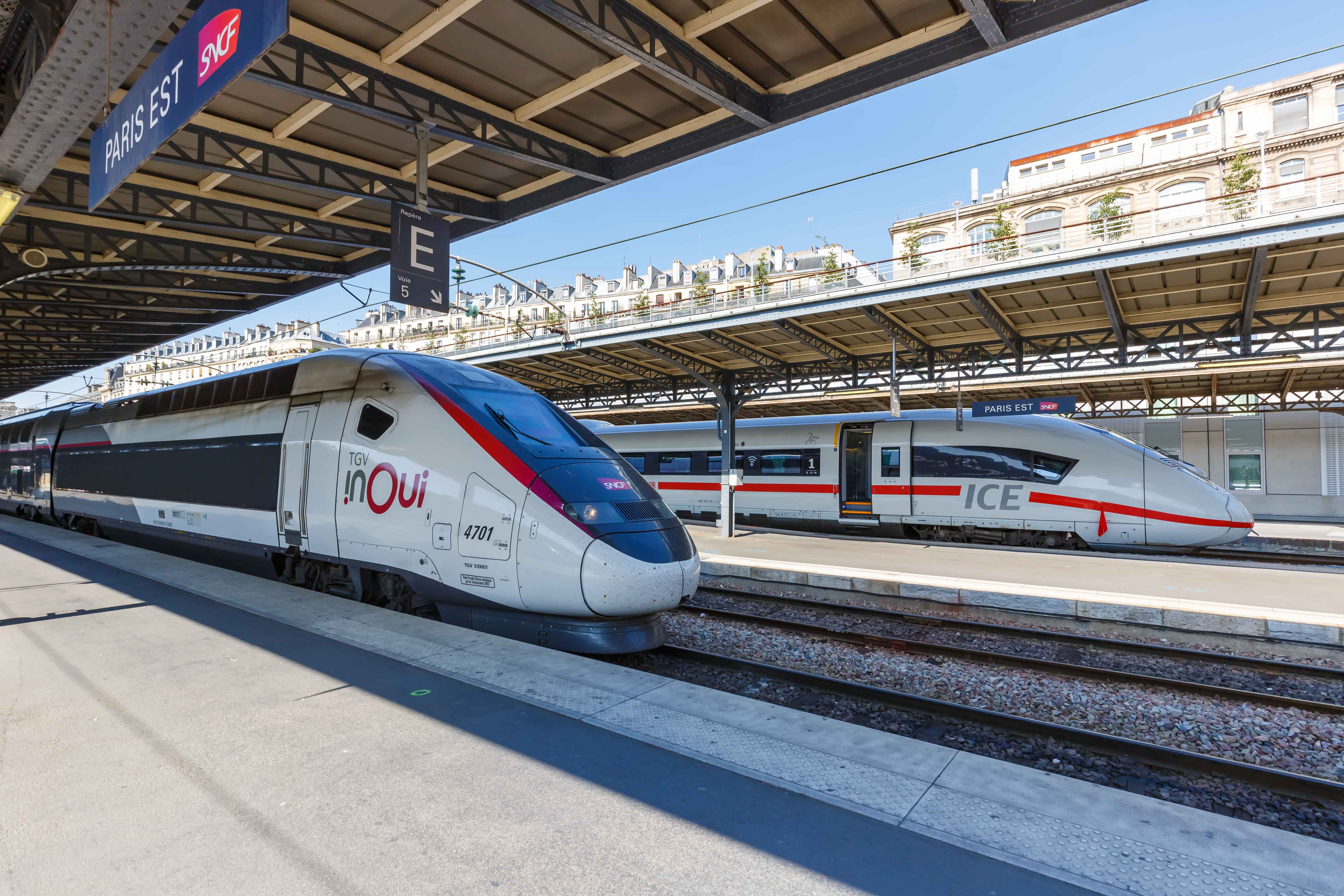
France's rail network is one of the most powerful tools in a corporate event planner's toolkit — and one of the most underused. The TGV, beyond being a transportation option, should also be considered a proper program design tool, a sustainability credential, and a group experience.
For European groups, arriving by train rather than flying is frequently faster door-to-door, eliminates airport transfers, arrives in city centres, and is increasingly the preferred option for companies with serious sustainability commitments. TERRAEVENTS integrates rail routing into program design as standard, handling group bookings, luggage logistics and on-board arrangements.
International Rail Access into France — Corporate Key Routes
London → Paris (Eurostar): approx. 2h 15min — St Pancras to Gare du Nord, city centre to city centre
London → Lille (Eurostar): approx. 1h 20min — one of Europe's most underrated short-break destinations
Frankfurt → Paris (TGV/ICE): approx. 3h 40min — direct, no airport
Frankfurt → Strasbourg: approx. 1h 45min — Alsatian capital on the Rhine, exceptional for small conferences
Frankfurt → Lyon: approx. 5h 30min — viable for overnight or early-departure groups
The Split Destination Program
Once your group is in France, the TGV unlocks a program format that no other European country can match for ease and elegance: the split destination. A Paris-anchored conference does not have to end in Paris.
TERRAEVENTS’ Program Design Tip: A conference in Paris (days 1–2), followed by an incentive extension in Bordeaux, the Loire, or Champagne, is one of the strongest formats in French corporate event design. It maximises Paris's appeal while introducing a second destination that is distinctive, less familiar and often significantly better value. TERRAEVENTS specialises in making these transitions seamless — transfers, luggage forwarding, group bookings — so the journey feels intentional, not logistical.
TGV Journey Times from Paris - Split Program Combinations
🥂 Paris → Reims: approx. 1h 00min — Champagne country, just 45 minutes from CDG. Perfect for a one-night extension.
🌿 Paris → Loire Valley: approx. 1h 00–1h 15min — Châteaux, gardens, and extraordinary wines.
🏛 Paris → Lyon: approx. 1h 55min — Gastronomic capital, excellent conference infrastructure, strong value.
🥨 Paris → Strasbourg: approx. 1h 50min — Alsatian culture, European institutions, unique identity.
🍷 Paris → Bordeaux: approx. 2h 15min (direct TGV) — World-class wine country, transformed city.
🌸 Paris → Aix-en-Provence / Marseille: approx. 3h 00–3h 10min — Mediterranean light, Provençal culture.
Paris Reimagined: The Unconventional Venues Most Planners Miss
Paris is not tired. It is over-templated. For groups that have been before (and most senior corporate travellers have) the city needs fresh staging. The venues below are known to specialist DMCs. They are rarely surfaced by hotel concierges or online searches.
1. Théâtre Mogador — A West End Landmark Available for Private Hire
Built in 1913 and restored to its full Belle Époque splendour, the Théâtre Mogador is one of Paris's great theatrical landmarks, home to major French musical productions including The Lion King. Between productions and during specific booking windows, its exceptional spaces are available for private corporate hire.
A gilded 1,600-seat auditorium, grand foyers, and the backstage energy of a working theatre. For a gala dinner, awards ceremony, or incentive finale, it is the kind of venue that creates a story delegates carry home. TERRAEVENTS manages the relationship with the theatre's event team, handles the technical requirements, and designs the program to use the space rather than simply occupy it.
2. Liberty Lounge by Yachts de Paris — A Meeting on the Seine
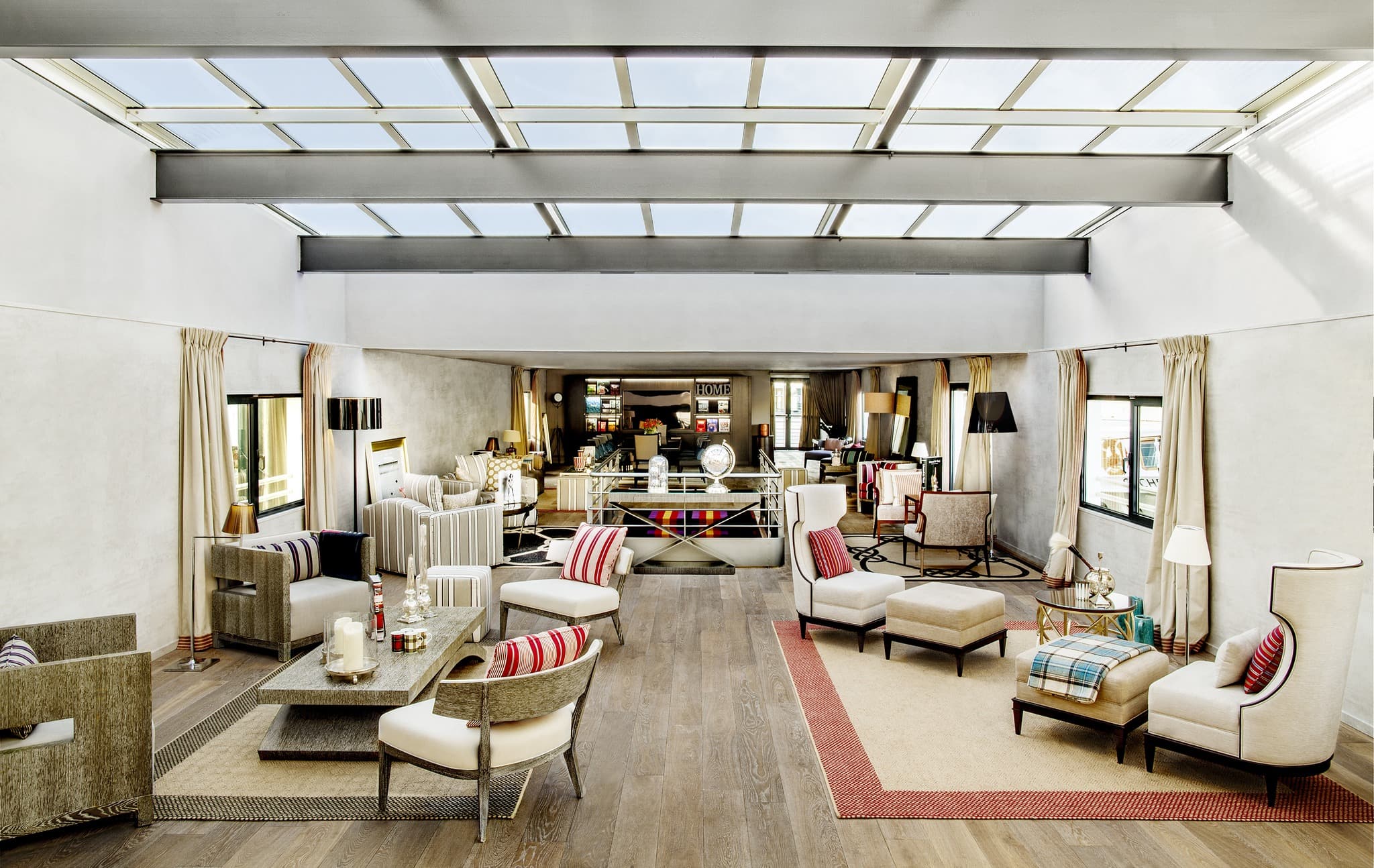
The Liberty Lounge is a moored barge salon on the banks of the Seine — warm, contemporary, furnished with fabrics by Pierre Frey and Lelièvre, and a capacity of up to 150 guests. It offers the atmosphere of being on the water with the stability and flexibility of a fixed venue. Imagine a breakfast board meeting, an inspiring workshop, or an evening cocktail reception, in one of the most photogenic stretches of the river.
For groups that want that Paris atmosphere without the predictable grand ballroom, this is a genuine alternative. It also works particularly well as a half-day off-site space — a morning session here, a lunch, and a free afternoon in the surrounding Saint-Germain neighbourhood.
3. Le Trianon — An Entire Montmartre Venue for Your Group, End to End
Opened in 1894 and rebuilt in 1902 in a superb eclectic style combining Napoleon III and Beaux-Arts architecture, Le Trianon in Montmartre offers what very few Paris venues can: a complete buy-out. Theatre, ballroom, galleries and all supporting spaces taken together, exclusively for your group.
A conference in the theatre in the morning. A working lunch in the galleries. A gala in the Salle de Bal at night. All within one historic address, with the creative energy of Montmartre on the doorstep. TERRAEVENTS designs programs here that use the building's various spaces throughout the day, so the venue itself becomes part of the narrative.
Insider access note: Venues like these require DMC relationships, not just a booking enquiry. Lead times, exclusivity windows, technical specifications, and catering arrangements are all managed through established partnerships — not available through general event platforms.
Beyond Paris: Destinations That Reward the Adventurous Brief
The destinations below are not on the previous list above; they warrant a dedicated section because each has a specific, named venue that unlocks a program experience that cannot be replicated anywhere else. These are the conversations that start with 'we want something our delegates have never seen before.’
a. Bordeaux — Europe's Most Transformed City, and Its Finest Event Venues
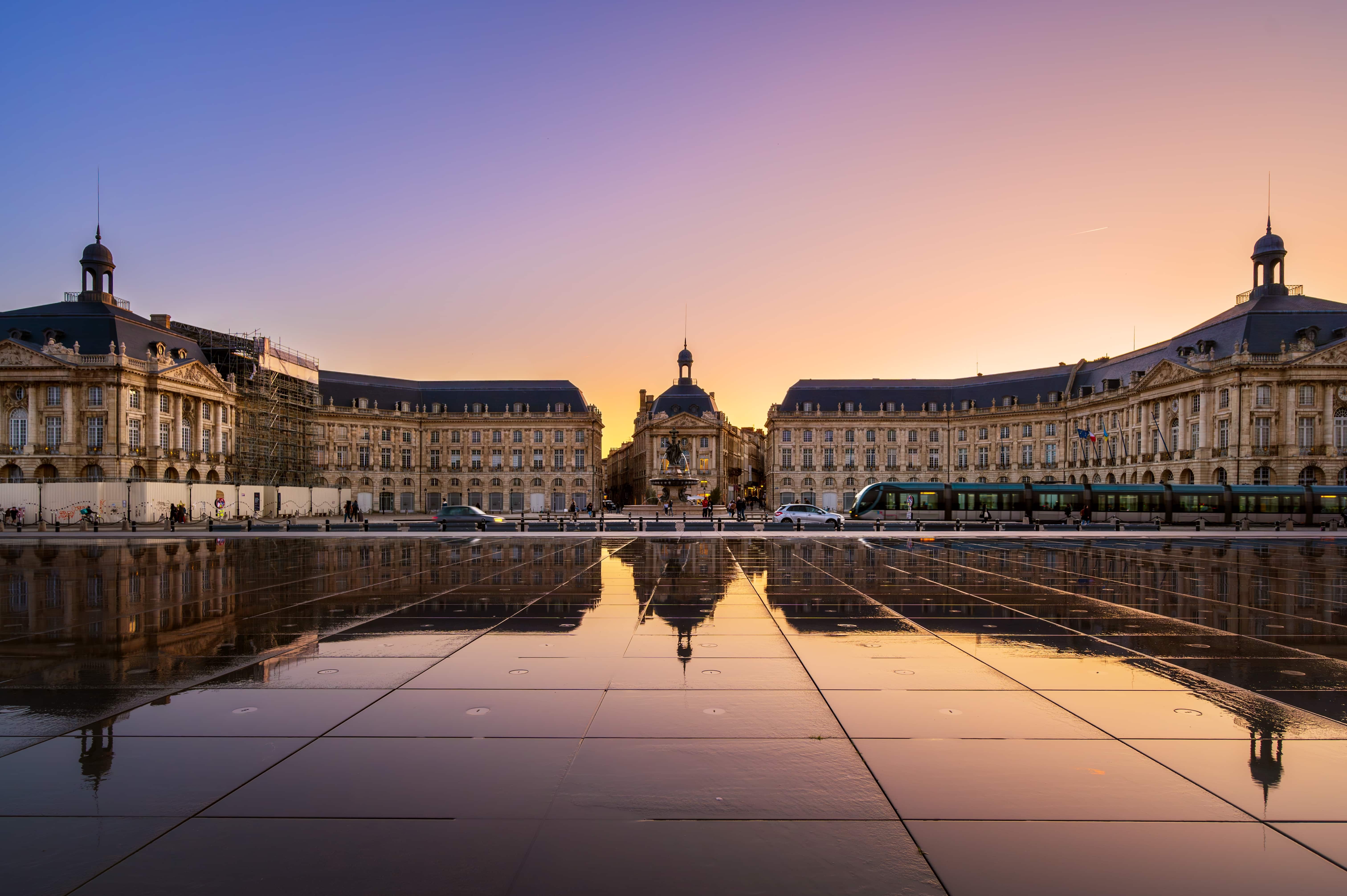
Between 2000 and 2015, Bordeaux underwent one of the most dramatic urban transformations in modern European history. The city cleared its industrial waterfront, pedestrianised its centre, built France's most sustainable tram network, and invested in cultural institutions that would look remarkable in any capital. The result is a UNESCO World Heritage city of extraordinary beauty — and, for corporate events, one of the most compelling alternatives to Paris on the continent.
At the heart of the city stands the Palais de la Bourse, an 18th-century neoclassical palace facing the world's largest reflecting pool, the famous miroir d'eau. The Palais houses exceptional event spaces: stone-clad salons, vaulted halls, and terraces with river views. The surrounding wine country — Saint-Émilion, Médoc, Pomerol — provides some of the world's most extraordinary incentive experiences.
TERRAEVENTS' Bordeaux programs typically combine the Palais or similar historic venues with wine estate visits, private cellar dinners, and curated culinary experiences designed with local chefs — not off-the-shelf wine tours, but bespoke immersions into the culture that made this city.
For more information, read our latest case study showcasing a 6-day incentive trip between Bordeaux and Paris.
b. Nice & the Côte d'Azur — The Observatory No One Knows About
Most planners know the Côte d'Azur for its palace hotels and convention centres. Very few know that one of the most spectacular event venues on the entire Mediterranean coast is a working scientific institution, perched in the hills above Nice at 370 metres above sea level.
The Observatoire de la Côte d'Azur was founded in 1881 and designed by Charles Garnier — the architect of the Paris Opéra. Its domed buildings, manicured grounds and panoramic views across the Baie des Anges to the Alps create a setting that is simultaneously intellectual and breathtaking. TERRAEVENTS has designed programs here that combine evening receptions under the domes with guided astronomical sessions, a genuinely unexpected incentive experience that generates the kind of conversation a standard gala dinner simply may not.
c. Monaco — The SBM Historic Salons, and the Low-Season Opportunity
Monaco is technically not France (it is a sovereign city-state). But it is inseparable from any serious conversation about the Côte d'Azur as an event region — and here is the strategic insight that most planners miss: Monte-Carlo in November or February is a completely different proposition from Monte-Carlo in July.
The Société des Bains de Mer (SBM) — which operates the Casino de Monte-Carlo, the Hôtel de Paris, the Hôtel Hermitage and a portfolio of unique event spaces — offers availability and rates between November and March that bear no resemblance to peak season. The historic salons of the Hôtel de Paris, with their Belle Époque gilding and hand-painted ceilings, are among the most impressive event rooms in Europe. In low season, they become accessible to groups that would be priced out entirely in summer.
TERRAEVENTS can build Côte d'Azur programs in the November–March window that deliver a genuine five-star experience — Monaco, Nice or Cannes — at budgets that surprise clients who assumed the region was out of reach.
What a DMC in France Actually Does: Beyond the Venue Search
When a corporate client approaches TERRAEVENTS about France, the conversation rarely starts with a venue. It starts with an objective: for example, “bring 150 senior leaders together in a way that strengthens the culture, rewards performance, or launches a new strategic direction”. The venue is one element of that answer, not the answer itself.
Here is what experienced DMC management of a French event actually involves, and why it matters.
Local Intelligence That Takes Years to Build
France has extraordinary depth, but it is not always legibly organised for international buyers. The best Bordeaux château for a gala dinner is not the most famous one. The Provençal truffle market that becomes the centrepiece of a memorable incentive morning may not be listed on any tourism board website. The independent transport operator who can move 200 people smoothly from Lyon Part-Dieu to a vineyard in the Beaujolais hills — and back, on time, with luggage — is not findable through a search engine.
TERRAEVENTS has spent years building supplier relationships across every major French destination: with chefs, sommeliers, private guides, château owners, artisan producers, cultural institutions, technical providers, and more. That network is what makes the difference between a programme that looks good on paper and one that actually delivers.
Creative Programme Design: France as a Canvas
France is not a backdrop. It is a source material. The best corporate programs in France are designed to use the country's culture, landscape and history as active ingredients, and not just as decoration.
A few examples of what that looks like in practice:
-
A leadership off-site in the Loire Valley structured around the diplomatic history of the châteaux — the negotiations, the strategic alliances, the decisions made in these very rooms — as a framework for a strategy session on alliance-building within the business.
-
An incentive in Burgundy built around a private harvest morning at a Premier Cru domaine, followed by a blending masterclass with the winemaker, finishing with a cellar dinner. Not a generic wine experience, but a curated immersion designed to reward and connect high performers.
-
A pan-France conference structured as a journey: opening in Paris, a TGV transfer to Lyon for the working sessions, a final-night program in the Beaujolais hills. Three cities, one narrative, and a group that has genuinely experienced France rather than sat in a ballroom for three days.
-
A team-building morning in Marseille's Panier district — the oldest neighbourhood in France — with local artists, a street-food market designed by a local chef, and a history walk led by a specialist guide. Followed by a working afternoon, because the morning did the cultural heavy lifting.
The question TERRAEVENTS asks at the start of every French program is not 'which venues are available?'
It's 'what do we want this group to feel, understand, and remember?'
The program design flows from that.
End-to-End Logistics: The Invisible Architecture
The most visible parts of a corporate event are the moments of experience. The invisible architecture that makes those moments possible — transfers timed to the minute, F&B confirmed months in advance, AV tested the day before, hotel rooms allocated correctly, dietary requirements communicated across every supplier in the chain — is where events succeed or fail.
In France, this is complicated by the fact that the country's hospitality sector operates with genuine regional character. A Paris supplier network is not a Lyon supplier network. What works in Cannes in February does not work in Cannes in May. TERRAEVENTS manages this complexity across the whole country, so that the client team can focus on the program rather than the plumbing.
Sustainability and Responsible Travel: France Has Real Advantages
Corporate sustainability commitments are increasingly shaping destination decisions, not as a box-ticking exercise, but as a genuine business priority that procurement and HR teams are measured against. France, used intelligently, can be one of the strongest answers in Europe to that brief.
Why France Scores Well on Sustainable Event Planning:
1. Rail-first travel
France's TGV network makes train travel genuinely faster than flying for most European origin cities, door-to-door. For a Frankfurt-based group travelling to Paris, Strasbourg or Lyon, the train produces a fraction of the carbon of a flight, and eliminates airport friction entirely.
2. Locally sourced gastronomy
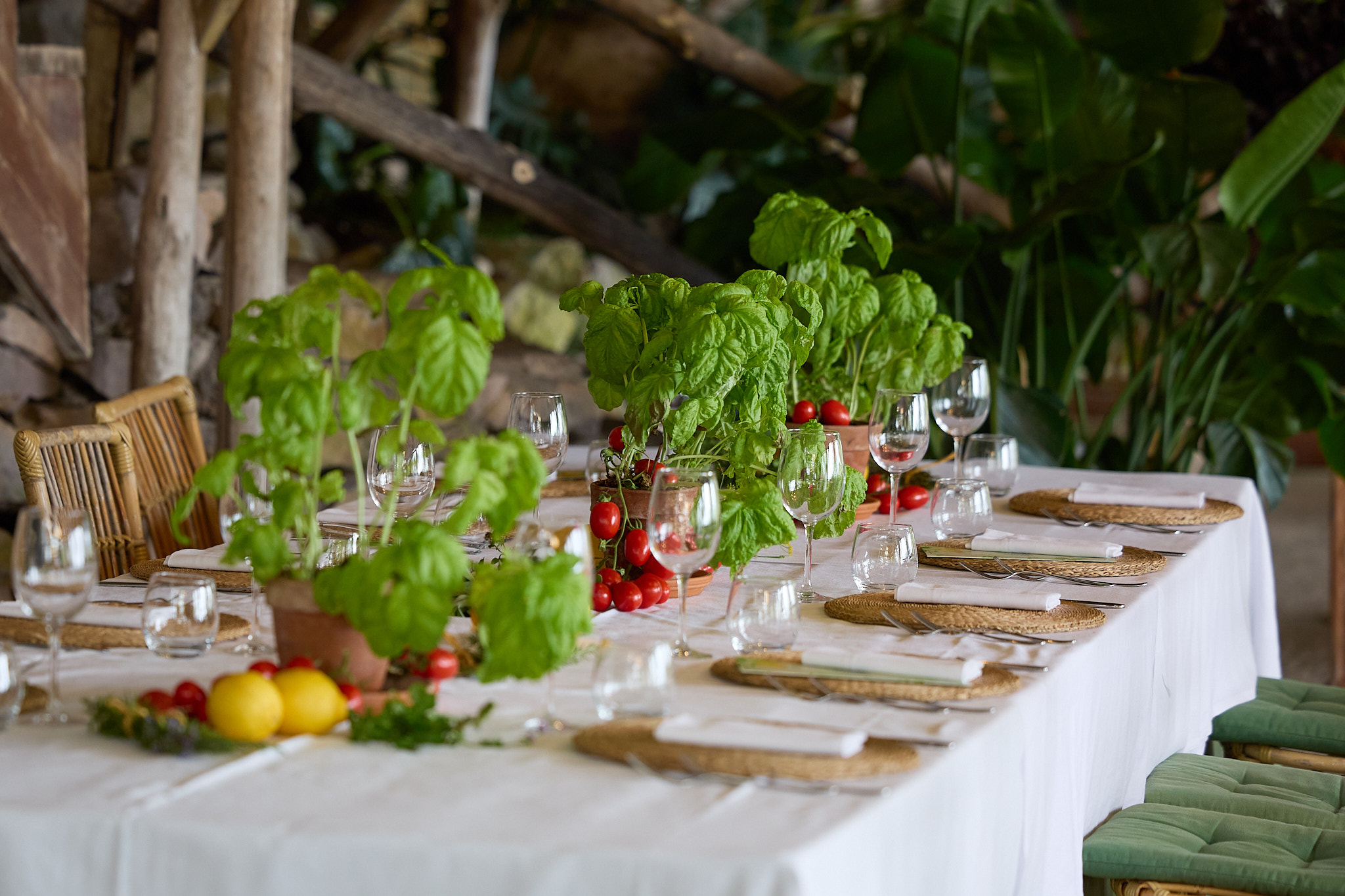
French culinary culture is built on terroir: regional, seasonal, traceable. A program designed around local produce is not a compromise; it is a premium differentiator.
3. Repurposed heritage venues
Many of France's most extraordinary event spaces are working cultural institutions, such as observatories, theatres, wine estates, historic exchanges, that use events to fund their conservation. Choosing them over purpose-built conference centres supports the local cultural economy.
4. Destination diversity
Routing groups to second-tier French cities reduces pressure on Paris and supports destinations with genuine economic benefit from responsible tourism.
TERRAEVENTS approaches sustainability not as a separate service tier, but as a design principle built into every French program from the outset. Rail routing, local supplier sourcing, heritage venue selection, and waste reduction in F&B are default considerations — not add-ons.
Planning France with TERRAEVENTS
France can reward the planners who look beyond the obvious — and it rewards them generously. The country's depth, across destinations, venues, transport infrastructure, gastronomy, culture and seasonal opportunity, means that almost every corporate brief has a version of France that fits it precisely, rather than approximately.
What TERRAEVENTS brings to that picture is the expertise to find it: the insider venues that do not advertise, the supplier relationships built over years, the program design that turns a destination into an experience, and the logistical precision that makes the whole thing run without the client team ever feeling the weight of it.
Whether you are reimagining Paris for a group that has been before, building a split program between two French regions, designing a sustainability-led incentive on the rail network, or using the Côte d'Azur's winter rates to deliver a five-star experience within a realistic budget, the starting point is a conversation.
"France is not one destination. It is a network of remarkable places, connected by one of the finest rail systems in the world, and unified by an exceptional culture of hospitality. The best corporate events here are the ones that understand that — and have a team on the ground who knows how to make it work."
Heidi Feveyear, Country Director, TERRAEVENTS France
Contact TERRAEVENTS today and start planning your next French adventure – beyond Paris!
